Ligament Surgery in Jaipur — ACL PCL MCL Reconstruction | Dr. Harish Talreja
Ligament Surgery in Jaipur
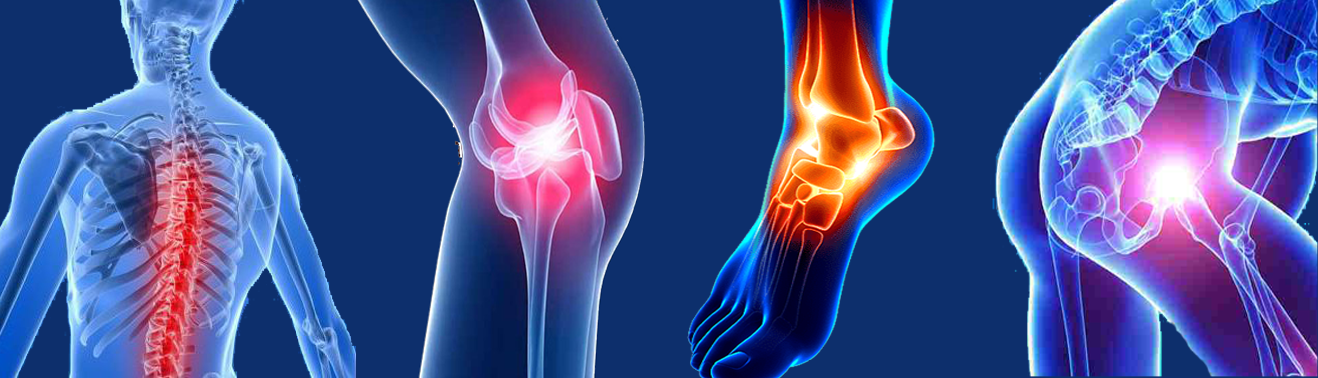
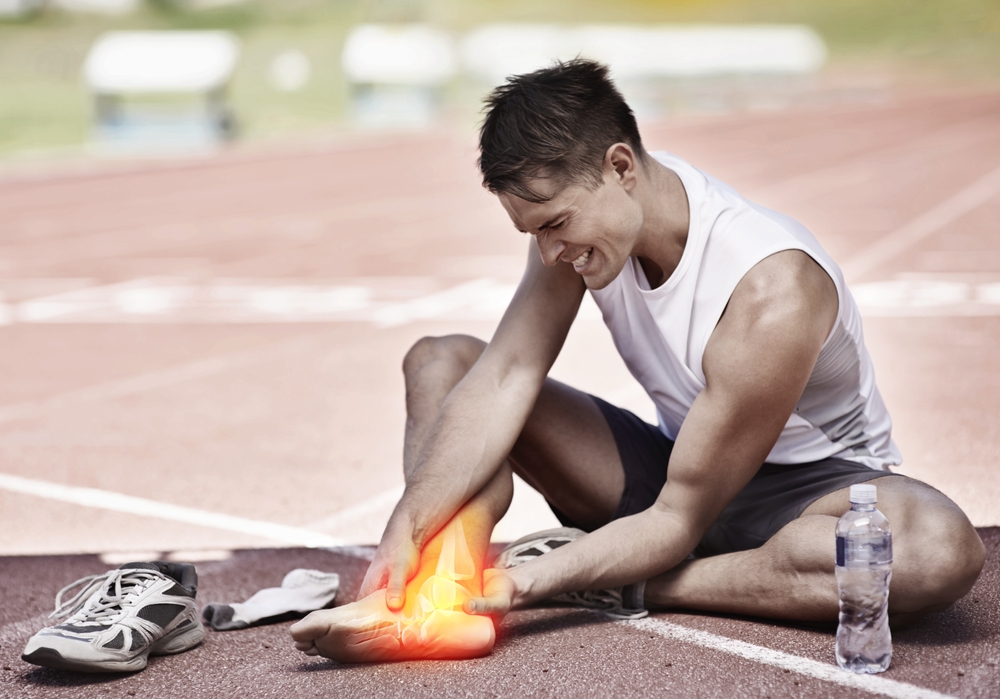
Ligament injuries — whether from sports, accidents or everyday activity — can leave joints unstable, painful, and unable to bear normal loads. When a ligament tears completely, surgical reconstruction is often the most reliable path to restoring full joint stability and returning to an active life.
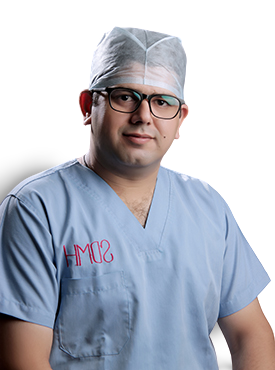
Dr. Harish Talreja is an experienced orthopaedic specialist in Jaipur performing arthroscopic ligament surgery for the knee, shoulder and ankle at Manipal Hospital Jaipur. With over 5,000 arthroscopic procedures performed, he uses minimally invasive keyhole techniques and internationally accepted graft selection protocols to deliver reliable, long-lasting ligament reconstruction results.
What is Ligament Surgery?
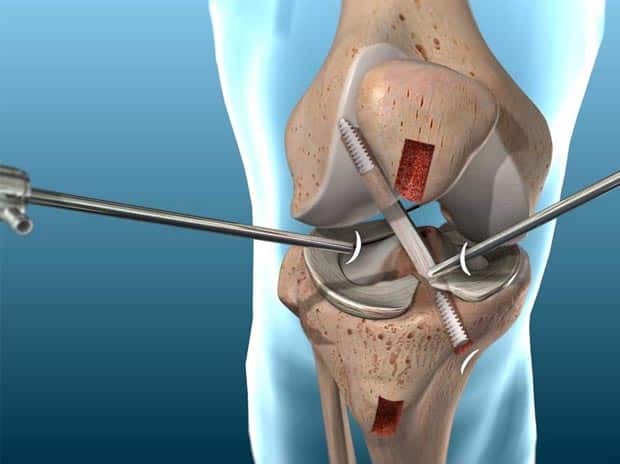
Ligaments are tough, fibrous bands of connective tissue that connect bones to each other across a joint — providing stability, controlling movement, and preventing excessive joint displacement. When a ligament is completely torn, it typically cannot repair itself adequately, particularly in the knee and shoulder.
Ligament surgery involves either repairing (reattaching a partially torn ligament) or reconstructing (replacing a completely torn ligament with a graft tendon) the damaged structure. Most ligament surgery is performed arthroscopically — through small keyhole incisions — using a camera and precision instruments.
The reconstructed ligament graft gradually integrates with the surrounding bone through a biological process called ligamentisation — progressively gaining strength over 6 to 12 months as the graft matures into functioning ligament tissue.
Why Arthroscopic Ligament Surgery?
All ligament surgeries at Manipal Hospital Jaipur are performed arthroscopically — through 2 to 3 small portals — avoiding the large incisions of traditional open surgery.
Smaller Incisions
2–3 mm portals instead of large open cuts
Less Blood Loss
Minimal tissue disruption and bleeding
Faster Recovery
Day surgery — home same day or Day 1
Less Post-Op Pain
Significantly more comfortable early recovery
Smaller Scars
Cosmetically superior to open surgery
Joint Inspection
Simultaneous assessment of meniscus, cartilage
Knee Ligament Injuries — Dr. Talreja Treats Them All
The knee is stabilised by four primary ligaments. Each has a distinct role — and a distinct injury pattern. Click on any ligament below to learn more about its specific injury and treatment.
The Four Knee Ligaments
Anterior Cruciate Ligament
Controls forward movement and rotation of the tibia. The most commonly injured knee ligament — typically from pivoting, landing, or sudden direction change. Complete ACL tears almost always require reconstruction for active patients.
ACL Reconstruction → ACL Tear →Posterior Cruciate Ligament
Controls backward movement of the tibia. Typically injured in dashboard-type injuries or direct blow to the front of the bent knee. PCL reconstruction is required for high-grade instability affecting daily activities.
PCL Reconstruction →Medial Collateral Ligament
Stabilises the inner (medial) side of the knee against valgus stress. Most MCL injuries heal with conservative treatment. Grade 3 complete tears or combined injuries with the ACL may require surgical repair.
MCL/LCL Injury →Lateral Collateral Ligament
Stabilises the outer (lateral) side of the knee against varus stress. LCL injuries are less common than MCL but often associated with posterolateral corner injuries that require surgical reconstruction.
LCL Tear Treatment →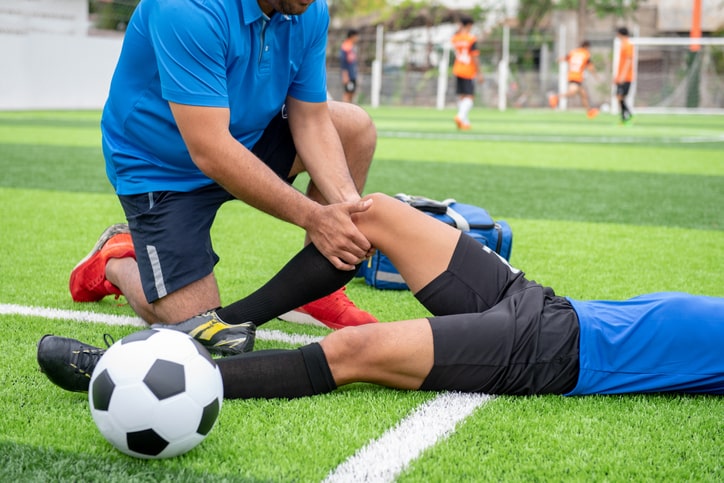
Also Treating:
Beyond the four knee ligaments, Dr. Talreja performs ligament and soft tissue surgery for:
- Rotator cuff repair (shoulder)
- Shoulder instability / labral repair
- Ankle ligament reconstruction
- Patellar tendon repair
- Multi-ligament knee injury
Ligament Surgery Procedures in Jaipur
Dr. Talreja performs the full range of ligament reconstruction and repair procedures using arthroscopic techniques at Manipal Hospital Jaipur. Select any procedure below to learn more.
ACL Reconstruction
Most Common Knee Ligament SurgeryACL (Anterior Cruciate Ligament) reconstruction replaces the torn ACL with a graft tendon — most commonly hamstring or patellar tendon — to restore knee stability and enable return to sports.
- Arthroscopic — keyhole, minimal scarring
- Hamstring or BPTB graft options
- Return to sport: 6–9 months
- Day surgery or 1-night stay
ACL Tear Treatment
Diagnosis · Grading · ManagementComplete guide to ACL tear diagnosis, grading, and the decision between conservative management and surgical reconstruction — based on patient age, activity level and degree of instability.
- Grade 1 and 2 — physiotherapy first
- Grade 3 — surgery for active patients
- MRI essential for grading
- Lachman test and pivot shift examination
PCL Reconstruction
Posterior Cruciate Ligament RepairPCL reconstruction is recommended for high-grade PCL tears that cause significant posterior instability — typically from dashboard injuries. Performed arthroscopically using a graft to restore the knee's posterior restraint.
- Arthroscopic or mini-open reconstruction
- Often combined with other ligament repairs
- Return to activity: 6–12 months
- Grade 1–2 often managed conservatively
MCL & LCL Injuries
Medial & Lateral Collateral LigamentMCL injuries usually heal with conservative treatment. LCL and posterolateral corner injuries — which are less common but more complex — often require surgical repair or reconstruction to restore lateral knee stability.
- Grade 3 MCL — repair if combined injury
- LCL repair or reconstruction
- Posterolateral corner reconstruction
- Multi-ligament knee injury management
Rotator Cuff & Shoulder Repair
Shoulder Ligament & Tendon SurgeryShoulder ligament and soft tissue surgery includes rotator cuff repair, labral repair for shoulder instability (Bankart), SLAP tear repair and shoulder reconstruction for recurrent dislocation.
- Rotator cuff tear repair — arthroscopic
- Bankart repair for recurrent dislocation
- SLAP tear (superior labrum) repair
- AC joint stabilisation
Multi-Ligament & Complex Injuries
Combined Ligament ReconstructionMulti-ligament knee injuries — involving two or more ligaments — are complex injuries requiring careful staged planning. They most commonly result from high-energy trauma or knee dislocations and require combined surgical reconstruction.
- Combined ACL + PCL reconstruction
- ACL + posterolateral corner repair
- Knee dislocation management
- Staged surgery where appropriate
Conservative Treatment vs Ligament Surgery
Not all ligament injuries require surgery. The decision depends on the ligament involved, the grade of the tear, the patient's age, activity level, and functional demands. Dr. Talreja assesses each case individually.
🩺 Conservative Treatment — When Appropriate
Grade 1 and 2 partial ligament tears (MCL, LCL) that maintain joint stability
Isolated PCL tears (Grade 1–2) in patients who do not play pivoting sports
Elderly or low-demand patients who do not require full sporting activity
Patients who refuse surgery and can modify their activities to avoid instability episodes
Initial management of all ligament injuries: RICE — Rest, Ice, Compression, Elevation
🔬 Surgical Reconstruction — When Recommended
Complete ACL tear (Grade 3) in any active patient wishing to return to pivoting sports
PCL tear with significant posterior instability causing functional limitation
Combined ligament injuries (e.g. ACL + MCL, ACL + meniscus)
LCL or posterolateral corner injuries causing lateral instability
Recurrent joint instability despite conservative rehabilitation and physiotherapy
Ligament Graft Options for Reconstruction
The graft — the tendon used to replace the torn ligament — is a key decision in ligament reconstruction. Dr. Talreja selects the most appropriate graft based on the patient's age, sport, activity level and individual anatomy.
Hamstring Tendon Graft
The semitendinosus and gracilis tendons from the back of the thigh are harvested and doubled/quadrupled to create a strong, multi-strand graft. The most commonly used graft for ACL reconstruction in India.
Bone-Patellar Tendon-Bone (BPTB)
The central third of the patellar tendon with bone blocks at each end is used. The bone-to-bone healing is faster and more secure — making this the traditional gold standard for high-level athletes requiring early return to sport.
Allograft (Donor Tendon)
A tendon from a cadaveric donor — typically used for revision ACL surgery, multi-ligament reconstruction, or elderly patients where minimising donor site morbidity is a priority. No additional incision for graft harvest.
How Arthroscopic Ligament Surgery is Performed
Using ACL reconstruction as an example — the most common ligament surgery performed. The procedure takes 1 to 1.5 hours and is day surgery for most patients.
Pre-Operative Assessment
MRI to confirm diagnosis and grade. Clinical examination (Lachman, Pivot Shift). Pre-operative planning: graft type, associated injuries (meniscus, cartilage) to address simultaneously.
Graft Harvest
The selected graft tendon is harvested through a small incision and prepared to the appropriate size and length. Fixation hardware is chosen to match tunnel diameter.
Arthroscopic Reconstruction
Arthroscope inserted through 2–3 small portals. Joint is inspected. Bone tunnels drilled in femur and tibia at anatomic positions. Graft passed and fixed securely at both ends. Tension and isometry confirmed arthroscopically.
Recovery & Rehab
Portals closed with sutures. Cryotherapy and compression applied. Physiotherapy begins Day 1. Crutches for 2–4 weeks. Structured return-to-sport programme over 6 months.
ACL Reconstruction Recovery — Key Milestones
Recovery is a progressive, milestone-based process. Clearing each milestone before advancing to the next is essential for safe return to sport and prevention of re-injury.
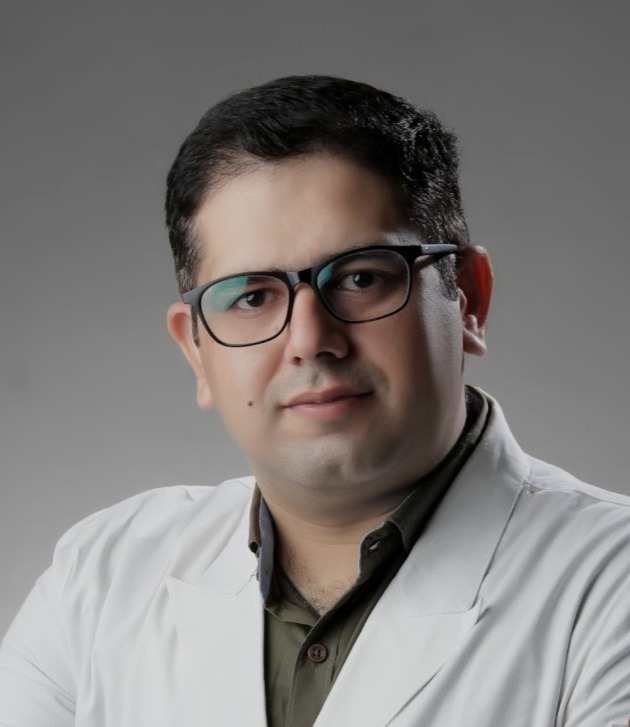
Best Ligament Surgery Specialist in Jaipur
Dr. Harish Talreja brings extensive arthroscopic expertise to every ligament surgery — using internationally accepted techniques, appropriate graft selection and a structured rehabilitation protocol that maximises safe return to sport and prevents re-injury.
00K+
Arthroscopic Procedures
15+
Years Orthopaedic Experience
6 Mths
Return to Sport Target
- 5,000+ arthroscopic knee and shoulder procedures performed
- Full spectrum: ACL, PCL, MCL, LCL, rotator cuff, labral repair and multi-ligament reconstruction
- Internationally trained in arthroscopic surgery — AIIMS Jodhpur, Medanta Gurgaon, Kasturba Manipal
- Life member: ISKSAA (International Society for Knowledge for Surgeons on Arthroscopy and Arthroplasty)
- Consultant at Manipal Hospital Jaipur — state-of-the-art arthroscopic equipment
- Centre of Excellence Fellowship — Rajasthan Orthopaedic Surgeons Association (2018)
- Structured 6–9 month return-to-sport rehabilitation protocol with dedicated physiotherapy team
Injured a Ligament? Don't Play Through It — Get It Right
Book a consultation with Dr. Harish Talreja for an accurate diagnosis, MRI assessment, and a personalised treatment plan — whether that's physiotherapy, surgery, or a combination of both.
Ligament Surgery — Common Questions
Clinic Locations in Jaipur
Divya Advance Joint Care Clinic
Shop No. 2/34, A Block
Vaishali Estate Township, Gandhi Path West
Jaipur – 302021
Book Appointment ›
What Our Patients Are Saying About Us
I had a good experience consulting with the doctor and he's really well mannered.
Krishan Bhati

Our Social Media Posts
Manipal Hospital
- Manipal Hospital Sector 5, Vidyadhar Nagar, Jaipur, Rajasthan - 302039
- Opening hours: 10 AM to 4 PM
Divya Advance Joint Care Clinic
- 2/34, A Block, Vaishali Estate Township, Gandhi Path West, Jaipur - 302021
- Monday to Saturday: 6 PM to 8:30 PM
- Sunday: Closed
- +91 6375881626, +91 9461509324
- talreja.harish84@gmail.com
Get in Touch

Call Us Today for Consultations
Feel free to pay us a visit. You won’t regret it for sure.