Fast Track Arthroplasty in Jaipur — Fast Track Hip and Knee Replacement | Dr. Harish Talreja

Fast Track Arthroplasty in Jaipur

  1. Home
  2. Services
  3. Joint Replacement
  4. Fast Track Arthroplasty
Decorative page header shape element
Fast track arthroplasty — enhanced recovery hip and knee replacement with Day 1 walking in Jaipur
Enhanced Recovery · ERAS Protocol · Jaipur

Fast Track Hip & Knee Arthroplasty in Jaipur

Fast track arthroplasty is a scientifically proven, evidence-based approach to hip and knee replacement that transforms the surgical experience — enabling patients to walk on the day of surgery, return home sooner, and recover significantly faster than with traditional approaches.

Dr. Harish Talreja — one of the most experienced orthopaedic doctors in Jaipur — applies a comprehensive fast track (ERAS) protocol to hip and knee replacement at Manipal Hospital Jaipur. This multicomponent programme covers every stage from pre-operative preparation to post-operative rehabilitation, delivering superior outcomes with the same proven safety as traditional joint replacement.

Day 1Walking After Surgery
2–3 DaysHospital Stay
50%Less Opioid Use
6 WksReturn to Activities
Fast track knee replacement rehabilitation — patient walking Day 1 after arthroplasty in Jaipur
What is Fast Track Arthroplasty?

The ERAS Approach to Joint Replacement

Fast track arthroplasty — also known as Enhanced Recovery After Surgery (ERAS) — is a multicomponent, evidence-based programme that optimises every stage of the joint replacement journey to reduce surgical stress, accelerate recovery, and improve patient outcomes.

Rather than any single technique, fast track arthroplasty is a coordinated system: optimised pre-operative preparation, advanced anaesthesia and pain control, minimally invasive surgical technique, and intensive early physiotherapy working together to produce dramatically better recovery.

Fast track protocols are now internationally recognised as the standard of care for elective hip and knee replacement in leading orthopaedic centres worldwide — and are available to appropriate patients at Manipal Hospital Jaipur under Dr. Harish Talreja's care.

The Protocol

The 8 Pillars of Fast Track Arthroplasty

Fast track arthroplasty works because all eight components are implemented together — each one reduces a specific source of surgical stress, pain, or delay. The combined effect is dramatically faster recovery.

1

Pre-Operative Patient Education

Detailed education about the surgery, what to expect day by day, and how to actively participate in recovery. Patients who understand the process recover faster and with less anxiety.

2

Medical Optimisation

Pre-operative management of diabetes, hypertension, anaemia, and other conditions to minimise surgical risk and ensure the body is in the best possible state before the operation.

3

Optimised Anaesthesia

Spinal anaesthesia with light sedation is preferred — avoiding the nausea, confusion and respiratory effects of heavy general anaesthesia. Patients wake clearer and are ready to mobilise sooner.

4

Multimodal Pain Control

A combination of pre-emptive oral analgesia, periarticular local anaesthetic infiltration, nerve blocks, anti-inflammatory drugs and paracetamol — dramatically reducing pain without heavy opioid use and its side effects.

5

Minimally Invasive Technique

Smaller incisions, tissue-sparing approaches and precise surgical technique reduce muscle trauma, blood loss, post-operative pain and healing time — directly translating to faster recovery.

6

Tranexamic Acid (TXA)

Tranexamic acid is given pre-operatively and/or intra-operatively to significantly reduce surgical blood loss and eliminate the need for blood transfusion in the vast majority of cases.

7

Day 1 Physiotherapy

Standing and walking begin within 4 to 6 hours of surgery. Early mobilisation reduces the risk of blood clots, stiffness, muscle weakness and chest complications — and is the single most important driver of fast recovery.

8

Early Discharge Planning

Discharge is planned from Day 1 — ensuring home support, aids, and follow-up physiotherapy are arranged before surgery. Patients leave hospital within 2 to 3 days — in a safe, prepared environment that supports continued recovery.

How It Compares

Fast Track vs Traditional Joint Replacement

The differences between fast track and traditional approaches are significant — not just for comfort, but for clinical outcomes. Published evidence consistently favours fast track protocols in appropriately selected patients.

Traditional Joint Replacement

Hospital stay5–7 days
First walkDay 2 or 3
Blood transfusionCommon
Opioid pain reliefHeavy reliance
AnaesthesiaGeneral anaesthesia
Return to activities3–6 months

Slower early recovery with more time in bed

Higher risk of post-operative nausea and confusion

Longer period of pain and functional limitation

Fast Track Arthroplasty (ERAS)

Hospital stay2–3 days
First walkDay 1 (same day)
Blood transfusionRarely needed
Opioid pain reliefMinimal or none
AnaesthesiaSpinal + sedation
Return to activities6–8 weeks

Faster functional recovery from Day 1

Less nausea, clearer head — better early experience

Earlier independence and return to normal life

What to Expect

Your Fast Track Journey — Day by Day

Every patient on the fast track programme is given a clear, day-by-day guide of what to expect — from preparation through surgery to discharge and home recovery. There are no surprises.

Dr Harish Talreja with fast track arthroplasty patient at Manipal Hospital Jaipur
Pre-Op–1

Day Before Surgery — Preparation

Pre-operative education session, medication instructions, pre-emptive analgesia started. Carbohydrate loading drink the evening before. Light fasting from midnight (clear fluids until 2 hours before).

  • Education session with physiotherapist
  • Pre-emptive oral analgesia commenced
  • Blood-thinning medication guidance
Day0

Day of Surgery — Operation and First Steps

Spinal anaesthesia given. Periarticular local anaesthetic injection performed before closure. Patient alert and comfortable within 1 to 2 hours post-surgery. Physiotherapy begins — standing within 4 to 6 hours of returning from theatre.

  • Surgery under spinal anaesthesia (1–2 hours)
  • TXA given to minimise blood loss
  • First steps with a walker on Day 0
  • Eating and drinking resumes same evening
Day1

Day 1 — Active Rehabilitation

Two physiotherapy sessions. Walking distances increase progressively. Stairs practised where appropriate. Oral analgesia managing pain effectively. Drain (if used) removed. Discharge planning confirmed.

  • Two physiotherapy sessions
  • Walking independently with frame
  • Stair practice commenced
  • DVT prophylaxis medication started
Day2–3

Days 2–3 — Discharge Home

Final physiotherapy assessment. Wound check. Discharge criteria confirmed: mobile with aid, pain controlled on oral medication, safe for home environment. Home exercise programme provided.

  • Discharge within 2 to 3 days post-surgery
  • Home exercise programme provided
  • Outpatient physiotherapy arranged
  • Follow-up appointment booked
Wk6

Week 6 — Return to Normal Life

Most fast track patients are walking without aids, driving, returning to work (office duties), and resuming normal social activities by 6 weeks — compared to 10 to 12 weeks with traditional approaches.

  • Walking without aids by most patients
  • Driving resumes (surgeon clearance)
  • Return to office and light work
  • Normal daily activities independently
Orthopaedic decorative icon element
Joint care decorative icon element
Patient Selection

Who is Suitable for Fast Track Arthroplasty?

Most patients undergoing primary hip or knee replacement are candidates for the fast track programme. A thorough pre-operative assessment determines the most appropriate protocol for each individual.

✓  Suitable for Fast Track

Patients undergoing primary total knee or total hip replacement

Well-controlled medical conditions (diabetes, blood pressure, heart disease)

Good overall general health and reasonable physical fitness

Motivated patients who understand and are committed to the programme

Adequate home support for discharge on Day 2 to 3

Patients preferring shorter hospital stay and faster return to independence

✗  May Require Modified Protocol

Severely uncontrolled medical conditions requiring extended post-operative monitoring

Very high anaesthetic risk patients (ASA Grade 4)

Complex revision surgery or bilateral simultaneous joint replacement

Patients with severe dementia or cognitive impairment affecting rehabilitation participation

No adequate home support for safe early discharge

Significant post-operative complications requiring extended in-hospital management

50%
Reduction in opioid pain medication use
2–3x
Shorter hospital stay vs traditional approach
95%+
Patient satisfaction rate in published studies
Day 1
Walking target for all fast track patients
6 Wks
Return to daily activities — vs 12 wks traditional
Patient Outcomes

Benefits of Fast Track Arthroplasty

The fast track programme delivers measurable, evidence-based improvements across every dimension of the joint replacement experience — from the day of surgery to full functional recovery.

Dramatically Faster Recovery

Return to walking without aids in 2 to 4 weeks and to daily activities including driving by 6 weeks — significantly faster than traditional approaches.

Less Post-Operative Pain

Multimodal pain control with periarticular infiltration dramatically reduces pain without heavy opioid use — patients report a more comfortable early post-operative experience.

Shorter Hospital Stay

Discharge within 2 to 3 days versus 5 to 7 days with traditional approaches — less time in hospital, more time recovering comfortably at home.

No Blood Transfusion

Tranexamic acid (TXA) reduces surgical blood loss so significantly that blood transfusion is rarely required — eliminating transfusion-related risks entirely for most patients.

Fewer Complications

Early mobilisation significantly reduces the risk of deep vein thrombosis, chest infections, pressure sores and muscle weakness — the most common complications of prolonged bed rest.

Better Patient Experience

Spinal anaesthesia, less opioids, earlier food and drink, and walking on Day 1 all contribute to a dramatically better hospital experience compared to traditional approaches.

Faster Return to Independence

Walking without aids by 2 to 4 weeks and returning to driving, cooking and light work by 6 weeks — restoring independence significantly sooner than traditional recovery.

Same Safety as Traditional Surgery

Published evidence consistently shows no increase in complications, readmissions, or revision rates with fast track protocols applied to appropriately selected patients by experienced surgical teams.

Dr Harish Talreja — fast track arthroplasty surgeon at Manipal Hospital Jaipur
Why Choose Dr. Harish Talreja

Fast Track Arthroplasty at Manipal Hospital Jaipur

Dr. Harish Talreja brings the full fast track arthroplasty protocol to hip and knee replacement at Manipal Hospital Jaipur — combining advanced surgical technique, optimised anaesthesia, multimodal pain control, and a Day 1 mobilisation programme that delivers internationally comparable outcomes.

00K+

Knee Replacements Performed

00K+

Hip Replacements Performed

Day 1

Walking After Surgery Target

  • Full 8-pillar ERAS fast track protocol applied to all eligible hip and knee replacement patients
  • Multimodal pain control with periarticular infiltration — dramatically less opioid use
  • Tranexamic acid protocol — virtually eliminates the need for blood transfusion
  • Day 1 physiotherapy by dedicated trained physiotherapy team at Manipal Hospital Jaipur
  • Advanced fellowship training at AIIMS Jodhpur, Medanta Gurgaon — internationally trained
  • Consultant Orthopaedic Surgeon at Manipal Hospital Jaipur — NABH-accredited facility
  • Centre of Excellence Fellowship — Rajasthan Orthopaedic Surgeons Association (2018)

Walk on Day 1 — Experience Fast Track Joint Replacement

Find out if you are suitable for the fast track arthroplasty programme. Book a consultation with Dr. Harish Talreja at Manipal Hospital Jaipur today.

Frequently Asked Questions

Fast Track Arthroplasty — Common Questions

Fast track arthroplasty — also called Enhanced Recovery After Surgery (ERAS) — is a multicomponent, evidence-based programme for hip and knee replacement. It combines pre-operative patient education, medical optimisation, spinal anaesthesia, multimodal pain control (including periarticular local anaesthetic injection), tranexamic acid to reduce blood loss, minimally invasive surgical technique, and Day 1 physiotherapy. Together these components dramatically reduce hospital stay, post-operative pain and recovery time — with the same proven safety as traditional joint replacement.

Most patients undergoing primary total knee or hip replacement are candidates for the fast track programme. Ideal candidates have well-controlled medical conditions, reasonable general health, good motivation, and adequate home support for safe early discharge. Patients with very complex medical conditions, severe anaesthetic risk, or undergoing complex revision surgery may require a modified protocol. A thorough pre-operative assessment determines individual suitability.

The target for all fast track patients is to stand and take first steps within 4 to 6 hours of returning from the operating theatre — on the same day as surgery. This early mobilisation is not only possible but actively beneficial — it reduces the risk of blood clots, chest complications, stiffness and muscle weakness, and directly accelerates functional recovery.

Fast track arthroplasty typically allows discharge within 2 to 3 days after surgery compared to 5 to 7 days with traditional approaches. Discharge criteria include: safely mobile with aids, pain controlled on oral medication, wound satisfactory, and the home environment prepared with appropriate support and aids. Some very carefully selected patients in excellent health may be suitable for discharge on Day 2.

Yes. Fast track arthroplasty is evidence-based and internationally recognised as safe. Published studies from large orthopaedic centres consistently show no increase in complication rates — including infection, dislocation, blood clots or readmission — when fast track protocols are applied to appropriately selected patients by experienced surgical and anaesthetic teams. Safety is never compromised for the sake of speed — each patient's suitability is thoroughly assessed before proceeding.

The surgical procedure itself — the replacement of the damaged joint — is the same in both approaches. The difference is in everything around the surgery. Traditional joint replacement relies more heavily on general anaesthesia, opioid pain medication, later mobilisation (Day 2 or 3), and a longer hospital stay (5 to 7 days). Fast track arthroplasty uses spinal anaesthesia, multimodal non-opioid pain control, Day 1 mobilisation, tranexamic acid, and a planned short hospital stay — resulting in significantly faster functional recovery with equivalent surgical safety.

Yes. Fast track arthroplasty protocols are available for both total hip replacement and total knee replacement at Manipal Hospital Jaipur under Dr. Harish Talreja. The core principles of the programme — optimised anaesthesia, multimodal pain control, tranexamic acid, Day 1 mobilisation and early discharge — apply equally to both procedures, with procedure-specific modifications where needed.
Find Us

Clinic Locations in Jaipur

Divya Advance Joint Care Clinic

Shop No. 2/34, A Block

Vaishali Estate Township, Gandhi Path West

Jaipur – 302021

Book Appointment ›

Manipal Hospital Jaipur

Sector 5, Vidyadhar Nagar

Jaipur, Rajasthan

Book Appointment ›
Decorative orthopaedic icon element
Decorative joint care icon element
Our Google Reviews

What Our Patients Are Saying About Us

Decorative abstract background shape
Decorative curved background design element
Our Social Media Posts

Our Social Media Posts

Get In Touch

Manipal Hospital

CONTACT US

Get in Touch

Thank you! Message sent successfully.
Error occurred. Please try again later.
Illustration of medical professional standing beside contact section
Decorative abstract shape beside contact section

Call Us Today for Consultations

Feel free to pay us a visit. You won’t regret it for sure.
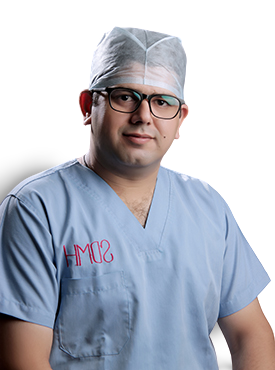
Dr Harish Talreja orthopedic specialist
Decorative leaf illustration
Decorative airplane illustration