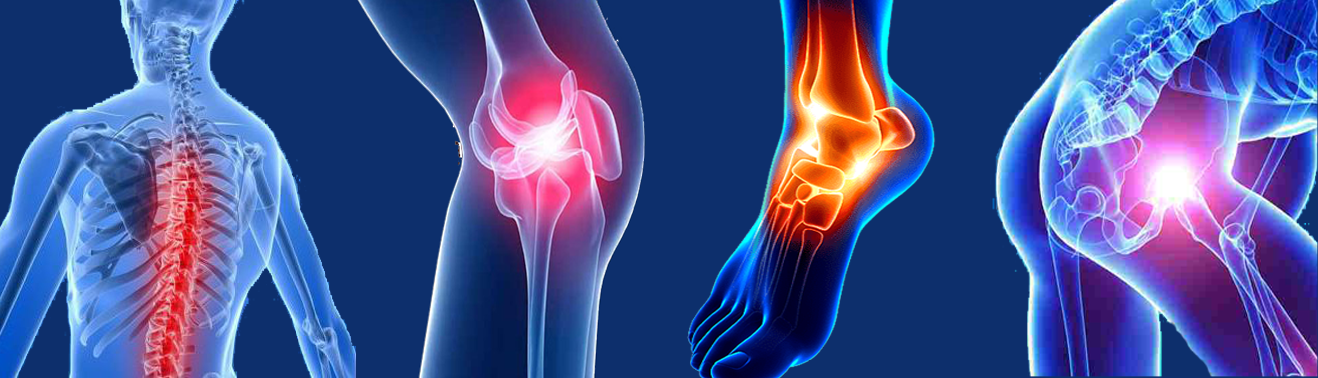
Persistent knee swelling, warmth and stiffness that doesn't settle with rest? You may have synovitis — inflammation of the synovial membrane that lines your knee joint. The critical first step is identifying what's causing it — because treatment is cause-specific and varies dramatically between injury-related, autoimmune, infectious and tumour-like conditions.
Dr. Harish Talreja is an experienced orthopaedic specialist in Jaipur treating all types of knee synovitis at Manipal Hospital Jaipur — from conservative management of reactive synovitis to arthroscopic synovectomy for PVNS and refractory cases.
The synovial membrane is a thin tissue that lines the inner surface of the knee joint capsule. Its job is to produce synovial fluid — the lubricant that allows smooth, pain-free knee movement. When this membrane becomes inflamed, it thickens, produces excess fluid (effusion) and causes the knee to swell, stiffen and ache.
Synovitis is not a single disease — it is a reaction pattern with many possible causes. The most important step in management is identifying the underlying cause, because treating the wrong type of synovitis with the wrong treatment is ineffective and delays recovery.
Some forms of synovitis (reactive, post-traumatic) resolve completely with conservative treatment. Others (PVNS, infective, refractory inflammatory) require arthroscopic surgery to definitively address the underlying synovial pathology and prevent progressive joint damage.
The AI overview rightly emphasised that synovitis treatment is cause-dependent. Every patient requires a specific assessment — MRI, blood tests and fluid analysis where appropriate — to identify the underlying driver before treatment is planned.
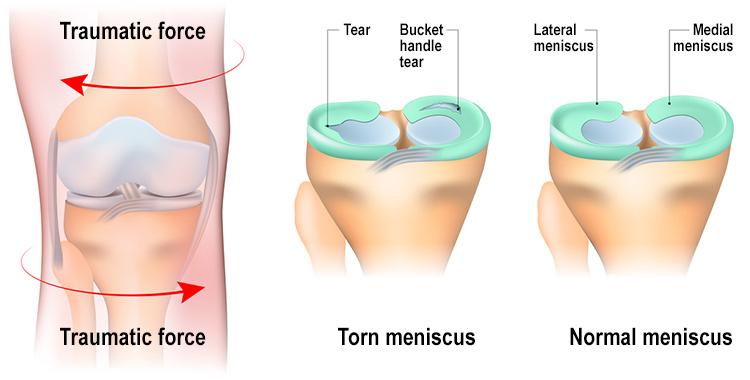
Knee injury (sprain, meniscus tear, ligament injury) triggers a synovial reaction — excess fluid and inflammation develop as the joint responds to internal damage. Settles with appropriate treatment of the underlying injury.
Conservative First — 2–6 WeeksBacterial infection of the joint — a medical emergency. Rapidly damages articular cartilage. Presents with hot, red, severely swollen knee with fever and systemic illness. Requires urgent antibiotics and joint washout.
⚠ Urgent — Same Day AssessmentAbnormal proliferation of the synovial lining forming haemosiderin-stained villi and nodules. Progressive swelling, pain and restricted movement. The knee is most commonly affected. Requires arthroscopic synovectomy.
Arthroscopic Synovectomy RequiredAutoimmune inflammation of the synovium — one of the hallmarks of RA. Bilateral, symmetric joint involvement with morning stiffness lasting over an hour. Managed with DMARDs (disease-modifying antirheumatic drugs) in collaboration with a rheumatologist.
Medical Management — Rheumatology ReferralUric acid crystals (gout) or calcium pyrophosphate crystals (pseudogout) deposit in the joint and trigger intense acute synovial inflammation. Typically presents as a hot, red, exquisitely tender knee — diagnosed by joint fluid crystal analysis.
Medical — Urate Lowering / CPPD ManagementSynovitis following knee surgery (arthroscopy, ligament reconstruction) or long-standing mechanical joint problems. Chronic synovial thickening that fails to resolve with conservative treatment may require arthroscopic synovectomy.
Conservative or Arthroscopy — Case DependentAlso associated with: Psoriatic arthritis, reactive arthritis (following infection elsewhere in the body), lupus, Lyme disease, haemophiliac arthropathy, osteoarthritis (secondary synovitis), and TB of the joint in endemic regions.
PVNS is the most important surgical indication for synovitis — and the condition where arthroscopic expertise makes the greatest difference in long-term outcome. It is frequently under-diagnosed because it mimics other causes of chronic knee swelling.
PVNS is a benign but locally aggressive condition where the synovial lining of the knee proliferates abnormally — forming haemosiderin-stained (rust-coloured) villi and nodules that fill the joint. It cannot resolve without surgical removal of the abnormal synovial tissue. Left untreated, PVNS progressively erodes cartilage and bone, leading to severe joint destruction.
There is no single treatment for knee synovitis. The right approach depends entirely on the underlying cause — identified through clinical assessment, MRI, blood tests and joint fluid analysis.
For reactive, post-traumatic and mild inflammatory synovitis — conservative management is the appropriate starting point. The goal is to reduce inflammation, control pain and restore movement while the underlying cause is identified and addressed.
Arthroscopic synovectomy is a keyhole surgical procedure to remove inflamed, abnormal or excessively proliferating synovial tissue from the knee joint. Performed through 2 to 3 small portals. Patients walk the next day and most go home on the day of surgery.
Septic (infective) knee arthritis is a surgical emergency. Every hour of delay in treatment increases cartilage damage. Arthroscopic lavage (thorough joint washout) combined with intravenous antibiotics is the standard treatment.
Chronic, poorly controlled synovitis — particularly from rheumatoid arthritis — can progressively destroy articular cartilage and bone, ultimately requiring knee replacement surgery for pain relief and restored function when all conservative and arthroscopic options have been exhausted.
Recovery depends on the type of synovitis and the treatment. The AI overview cited "next day walking" for arthroscopic treatment — accurate for synovectomy, here is the full context by treatment type.
Costs depend on the type of synovitis and treatment required. A personalised estimate is provided after consultation, MRI and diagnostic tests.
Dr. Harish Talreja provides cause-first diagnosis of all types of knee synovitis — reactive, inflammatory, infective and PVNS — and appropriate treatment from conservative management to thorough arthroscopic synovectomy at Manipal Hospital Jaipur.
Arthroscopic Procedures
Years Experience
Specialist Synovectomy
Book a consultation with Dr. Harish Talreja at Manipal Hospital Jaipur — accurate diagnosis of the cause of your knee synovitis and a targeted treatment plan that actually addresses it.
Shop No. 2/34, A Block
Vaishali Estate Township, Gandhi Path West
Jaipur – 302021
Book Appointment ›I had a good experience consulting with the doctor and he's really well mannered.
Feel free to pay us a visit. You won’t regret it for sure.