ACL Reconstruction Surgery in Jaipur — Anterior Cruciate Ligament | Dr. Harish Talreja

ACL Reconstruction Surgery in Jaipur

  1. Home
  2. Services
  3. Ligament Surgery
  4. ACL Reconstruction
Decorative page header shape element
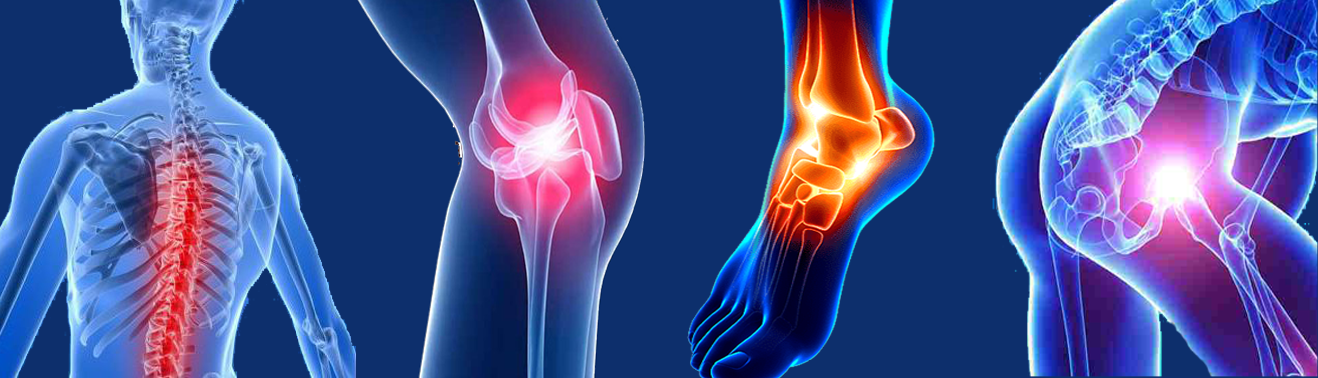
ACL reconstruction surgery in Jaipur — arthroscopic anterior cruciate ligament reconstruction for sports injury
Arthroscopic · Keyhole · Sports Injury · Jaipur

ACL Reconstruction Surgery in Jaipur

An ACL tear is one of the most feared sports injuries — causing immediate knee instability, significant swelling, and the inability to continue playing. For athletes and active individuals, a well-performed ACL reconstruction is not just about recovery — it's about returning to the sport and life you love.

Dr. Harish Talreja performs arthroscopic ACL reconstruction at Manipal Hospital Jaipur, using anatomic graft placement techniques and a structured 6 to 9 month return-to-sport rehabilitation protocol. As one of Jaipur's most experienced orthopaedic specialists, he has performed over 5,000 arthroscopic procedures — helping athletes and active patients regain full knee confidence.

5,000+Arthroscopic Procedures
Day SurgeryHome Same Day / Day 1
6–9 MthsReturn to Sport
90%+Return to Pre-Injury Sport
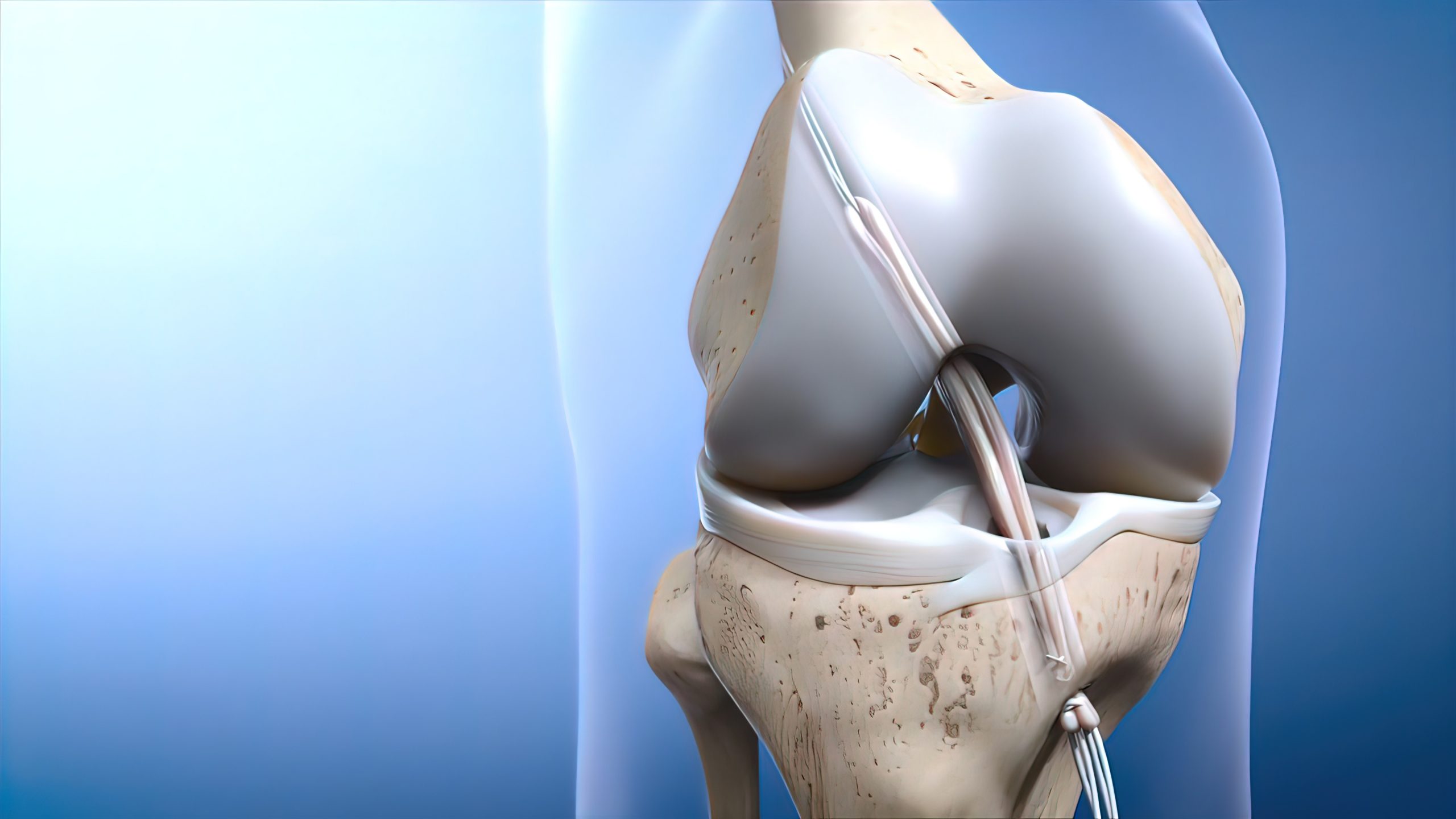
ACL anatomy — anterior cruciate ligament position in the knee joint illustration
Understanding the ACL

What is the ACL and What Does It Do?

The anterior cruciate ligament (ACL) is one of the four primary ligaments that stabilise the knee joint. It runs diagonally through the centre of the knee, connecting the femur (thigh bone) to the tibia (shin bone) — and is the primary restraint against anterior translation (forward movement) and rotational forces of the tibia on the femur.

In practical terms, the ACL is critical for activities that involve pivoting, cutting, twisting, landing from jumps, and sudden deceleration — making it essential for almost all sports and many daily activities.

When the ACL tears completely, the knee loses its primary rotational stabiliser — causing episodes of "giving way" that can damage the meniscus and cartilage if left untreated.

Primary Function

Prevents anterior (forward) translation of the tibia on the femur and controls rotational stability

Location

Runs diagonally through the knee centre from the posterior femur to the anterior tibia — hence "anterior" cruciate ligament

Two Bundles

Anteromedial (AM) bundle — provides stability in flexion; Posterolateral (PL) bundle — controls rotational stability in extension

Why It Cannot Self-Heal

The ACL is surrounded by synovial fluid — preventing clot formation needed for natural healing. Complete tears reliably fail to heal without surgical reconstruction

Causes of ACL Tear

How Does an ACL Tear Happen?

ACL tears are typically non-contact injuries — meaning no direct blow to the knee is involved. They occur when a sudden force exceeds the ligament's tensile strength during specific movement patterns.

01

Sudden Pivot or Change of Direction

Rapidly changing direction with the foot planted — as in football, basketball, kabaddi and badminton. The body rotates over a fixed foot, creating torsional stress that exceeds the ACL's load capacity.

02

Landing from a Jump with Extended Knee

Landing from a height with the knee straight (hyperextended) or insufficiently flexed — as in volleyball, basketball or gymnastics — creates a high axial load that tears the ACL.

03

Sudden Deceleration

Stopping suddenly at high speed while running — particularly on artificial turf — creates a ground reaction force that can exceed the ACL's tensile strength.

04

Direct Contact / Blow to the Knee

A direct lateral blow to the knee (valgus force) — as in a tackle in football or rugby — can tear the ACL along with the MCL and medial meniscus (the "unhappy triad" injury).

05

Hyperextension

Forceful hyperextension of the knee — often from a tackle or fall — stretches the ACL beyond its failure point, causing a complete tear.

06

Sports at Highest Risk

Football, cricket (fielding), basketball, kabaddi, badminton, wrestling, skiing, and volleyball have the highest ACL injury rates. ACL tears are 4 to 6 times more common in female athletes due to anatomical and hormonal factors.

Sports injury decorative icon element
Ligament care decorative icon element
ACL tear symptoms — knee swelling instability and giving way signs for ACL injury in Jaipur
Warning Signs

Symptoms of an ACL Tear

ACL tears have a distinctive symptom pattern. If you experience these symptoms after a knee injury — especially during sport — seek orthopaedic assessment immediately. An MRI should be performed as soon as swelling allows.

Audible "pop" or crack at time of injury

A distinctive, often heard and felt "pop" in the knee at the moment of the ACL tearing — reported by 70% of ACL tear patients.

Rapid, severe swelling within 2 hours

Haemarthrosis — blood flooding the joint — causes rapid, tense swelling within 1 to 2 hours of injury. This distinguishes ACL tear from less severe injuries.

Inability to continue the sport or activity

Immediate significant pain and loss of knee control forces the player to stop — unlike minor ligament sprains which may allow continued play with discomfort.

Knee instability or "giving way"

Once swelling settles (within days to weeks), a feeling of the knee being "loose" or "giving way" during pivoting, stair descent or direction change — the hallmark of ACL deficiency.

Loss of full range of movement

Difficulty fully straightening or bending the knee due to pain, swelling, or associated meniscus injury — which commonly occurs alongside ACL tears.

Treatment Decision

ACL Surgery vs Conservative Treatment — Which is Right for You?

Not everyone with a complete ACL tear needs surgery. The decision depends on activity level, age, functional demands, associated injuries and the degree of instability experienced. Dr. Talreja assesses each patient individually.

🩺  Conservative — When Appropriate

Sedentary or elderly patients who do not participate in pivoting or cutting sports

Partial ACL tear (Grade 1–2) with no functional instability

Young children with open growth plates where surgical tunnels carry risk

Patients who can modify activities to avoid instability-provoking movements

Initial approach: rest, ice, physiotherapy to reduce swelling and restore movement

🔬  ACL Reconstruction — When Recommended

Complete ACL tear (Grade 3) in any active patient who wants to return to sport

Young and middle-aged patients with functional giving way on daily activities

Combined ACL + meniscus tear — early reconstruction protects the meniscus

Athletes returning to football, cricket, basketball, kabaddi or similar sports

Patients whose work or lifestyle requires pivoting, twisting or physical activity

Graft Selection

ACL Reconstruction Graft Options

The graft — the tendon used to replace the torn ACL — is one of the most important decisions in ACL reconstruction. Dr. Talreja discusses graft options in detail during consultation to select the best match for each patient's anatomy, sport and goals.

Hamstring Tendon (HT) Graft

Most Common in India

The semitendinosus and gracilis tendons from the back of the thigh are harvested and folded to create a multi-strand, high-strength graft — typically 7 to 9 mm diameter. The most widely used graft for ACL reconstruction in India.

Good tensile strength — comparable to native ACL
Smaller harvest incision — less donor site pain
Cosmetically superior result
Faster return of quadriceps strength
Slightly slower graft-to-bone healing vs BPTB
Minor hamstring weakness in first 3–6 months
Best for: Most patients, recreational athletes

Bone-Patellar Tendon-Bone (BPTB)

Elite Athlete Gold Standard

The central third of the patellar tendon with bone blocks at each end — providing bone-to-bone tunnel healing that is faster and more secure. Traditionally the preferred choice for high-level athletes requiring early return to competitive sport.

Fastest bone-to-bone healing (6–8 weeks)
Highest documented tensile strength
Most research evidence for elite sport return
Higher risk of anterior knee pain (kneeling)
Larger harvest incision
Longer quadriceps rehabilitation needed
Best for: Elite/competitive athletes

Allograft (Donor Tendon)

Revision & Multi-Ligament Surgery

A processed tendon from a cadaveric donor — used primarily for revision ACL surgery (where the original graft has failed), multi-ligament reconstruction, or patients requiring minimal donor site morbidity.

No additional harvest incision
Multiple size and type options available
Essential for revision and multi-ligament cases
Slower biological incorporation than autograft
Higher cost
Not first choice for young active athletes
Best for: Revision ACL, multi-ligament injury
Surgical Process

How ACL Reconstruction is Performed

All ACL reconstructions at Manipal Hospital Jaipur are performed arthroscopically — through 2 to 3 small keyhole incisions — with the patient under spinal or general anaesthesia.

Arthroscopic ACL reconstruction surgery being performed at Manipal Hospital Jaipur

Pre-Operative Preparation

  • MRI to confirm complete tear and assess meniscus and cartilage
  • Clinical examination: Lachman test, Pivot Shift, Anterior Drawer
  • Pre-operative physiotherapy to reduce swelling (ideally 2–4 weeks)
  • Restore full passive extension before surgery — reduces post-op stiffness risk
  • Graft type discussion and informed consent
Step1

Anaesthesia and Setup

Spinal anaesthesia (preferred) or general anaesthesia. Patient positioned supine with leg holder. Tourniquet applied. Antiseptic preparation and sterile draping.

Step2

Graft Harvest and Preparation

Through a small incision (2–3 cm for hamstring), the graft tendons are harvested, cleaned and sized to the appropriate diameter. The graft is tensioned and the fixation hardware prepared.

Step3

Arthroscopic Joint Assessment

The arthroscope is inserted through small portals. The entire joint is systematically inspected — meniscus tears, cartilage damage and other injuries are addressed simultaneously (meniscus repair, chondroplasty where needed).

  • ACL tear confirmed arthroscopically
  • ACL stump debrided
  • Meniscus and cartilage assessed and treated
Step4

Anatomic Tunnel Drilling

Bone tunnels are drilled precisely at the anatomic footprint of the native ACL — both in the femur (thigh bone) and tibia (shin bone). Tunnel position is the most critical determinant of long-term ACL reconstruction outcomes.

  • Anatomic femoral tunnel position — improves rotational stability
  • Tibial tunnel at native ACL footprint
  • Tunnel diameter matched to graft size
Step5

Graft Passage, Fixation and Closure

The graft is passed through the tunnels using a suture passer. Secure fixation is achieved at both ends using interference screws, endobuttons, or a combination. Tension and isometry are confirmed arthroscopically. Portals and harvest site closed. Compression bandage and cryotherapy applied.

Rehabilitation

ACL Reconstruction Recovery — Phase by Phase

ACL rehabilitation is milestone-driven — advancing to the next phase is based on achieving specific functional criteria, not just time. Rushing the programme doubles the re-tear risk.

Phase1

Acute (0–2 Wks)

Pain and swelling control. Crutches. Full extension maintained. Quad activation. Gentle ROM exercises.

Phase2

Early (2–6 Wks)

Discard crutches. Stationary cycling. Progressive closed-chain strengthening. Gait normalisation.

Phase3

Strength (6–12 Wks)

Quad and hamstring strengthening. Swimming. Leg press. Proprioception and balance training.

Phase4

Running (3–4 Mths)

Jogging introduced on flat surface. Agility ladders. Sport-specific movement patterns begin.

Phase5

Return to Training (5–6 Mths)

Cutting, pivoting, jumping. Sport-specific drills. Strength symmetry 80%+. Psychological readiness.

Phase6

Return to Sport (6–9 Mths)

Competitive sport with medical clearance. Objective criteria: strength 90%+, hop test, psychological readiness score.

90%+
Return to pre-injury sport level
95%+
Knee stability restored
~5%
Re-tear rate with proper rehab
6–9
Months to competitive sport
Day 0
Day surgery — home same day
Cost Guide

ACL Reconstruction Cost in Jaipur

Transparent cost information helps patients plan. The ranges below are approximate — an accurate personalised estimate is provided after consultation and MRI review.

ACL Reconstruction — Approximate Cost in Jaipur

Costs include surgery, implant hardware, arthroscope use, hospital stay and standard post-operative care. Varies by graft type, fixation method, and whether additional procedures are performed.

ACL Reconstruction — Hamstring Graft ₹80,000 – ₹1,20,000
ACL Reconstruction — BPTB Graft ₹90,000 – ₹1,40,000
ACL + Meniscus Repair (Combined) ₹1,10,000 – ₹1,80,000
Revision ACL Reconstruction ₹1,40,000 – ₹2,20,000
Multi-Ligament Reconstruction (ACL + PCL) ₹1,60,000 – ₹2,60,000
Insurance: Most major health insurance policies and corporate plans cover ACL reconstruction surgery in India. CGHS and RGHS schemes for Rajasthan government employees also cover this procedure. The team at Manipal Hospital Jaipur assists with pre-authorisation documentation. Please enquire at the time of your consultation.
Informed Consent

Risks of ACL Reconstruction

ACL reconstruction has an excellent safety and outcomes record. Published evidence shows over 90% of patients return to their pre-injury sport level. As with all surgery, specific risks exist and are discussed fully during consultation.

Graft Failure (Re-Tear)

Re-tear rate is approximately 5% with proper rehabilitation. Risk is significantly higher (up to 10–15%) when patients return to sport before 9 months or before objective clearance criteria are met.

Post-Operative Stiffness (Arthrofibrosis)

Stiffness from scar tissue formation — risk reduced by pre-operative physiotherapy (restoring full extension), and early post-operative mobilisation. The most preventable complication with appropriate timing and rehabilitation.

Infection

Deep septic arthritis occurs in less than 0.5% of arthroscopic ACL reconstructions. Prophylactic antibiotics and strict sterile technique minimise this risk.

Donor Site Discomfort

Temporary numbness, scar sensitivity, or weakness at the hamstring or patellar tendon harvest site — almost always resolves within 6 to 12 months with rehabilitation.

Dr Harish Talreja discussing ACL reconstruction surgery risks and return to sport with patient in Jaipur
Dr Harish Talreja — best ACL reconstruction surgeon in Jaipur at Manipal Hospital
Why Choose Dr. Harish Talreja

Best ACL Reconstruction Surgeon in Jaipur

Dr. Harish Talreja combines anatomic surgical technique, appropriate graft selection, and a comprehensive return-to-sport rehabilitation protocol — giving every ACL patient the best possible chance of full, safe return to their sport and active life.

00K+

Arthroscopic Procedures

15+

Years Experience

90%+

Return to Sport Rate

  • Anatomic ACL reconstruction technique — optimal tunnel positioning for best rotational stability
  • Personalised graft selection based on age, sport, activity level and anatomy
  • Simultaneous meniscus and cartilage treatment arthroscopically in one session
  • Life member of ISKSAA — International Society for Knowledge for Surgeons on Arthroscopy and Arthroplasty
  • Advanced arthroscopic training at AIIMS Jodhpur, Medanta Gurgaon, and Kasturba Manipal
  • Structured 6 to 9 month milestone-based return-to-sport rehabilitation programme
  • Day surgery protocol — most patients return home same day

Torn Your ACL? Get Back to Sport — Book Your Assessment Today

Don't live with knee instability. Book an MRI assessment and consultation with Dr. Harish Talreja — Jaipur's experienced ACL reconstruction specialist — and start your journey back to full sporting activity.

Frequently Asked Questions

ACL Reconstruction — Common Questions

ACL reconstruction cost in Jaipur typically ranges from ₹80,000 to ₹1,80,000 depending on the hospital facility, graft type (hamstring or BPTB), fixation hardware, and whether additional procedures such as meniscus repair are performed simultaneously. Revision ACL surgery costs more. An accurate estimate is given after consultation and MRI review. Most insurance policies and corporate plans cover ACL reconstruction — the team at Manipal Hospital assists with pre-authorisation.

Most patients achieve 90 to 95% of their pre-injury functional level after well-performed ACL reconstruction and comprehensive rehabilitation. Published studies show 80 to 90% of patients return to their pre-injury sport level. Some patients experience minor persistent differences in strength, proprioception or psychological confidence — which is why completing the full 6 to 9 month rehabilitation programme and meeting objective clearance criteria before returning to sport is critical for the best long-term outcome.

Long-term studies show that well-performed ACL reconstruction provides durable knee stability for decades. However, patients who sustained an ACL tear have a higher risk of developing knee osteoarthritis at 15 to 20 years — particularly if there was associated meniscal damage at the time of injury. This is why protecting and repairing the meniscus at the time of ACL surgery is a priority. With intact menisci and good rehabilitation, many patients remain very active and asymptomatic 20 years after ACL reconstruction.

ACL reconstruction is a well-established, safe procedure with a low complication rate in experienced hands. The re-tear rate is approximately 5% with proper rehabilitation and a full return-to-sport programme. Deep infection occurs in less than 0.5% of cases. Stiffness (arthrofibrosis) is the most preventable complication — prevented by pre-operative physiotherapy and early post-operative mobilisation. Serious complications such as blood clots or neurovascular injury are very rare with arthroscopic technique.

ACL reconstruction typically takes 1 to 1.5 hours under spinal or general anaesthesia. If additional procedures — such as meniscus repair, cartilage treatment, or multi-ligament reconstruction — are performed simultaneously, the operative time will be longer. Most patients undergoing isolated ACL reconstruction are discharged on the same day as surgery (day surgery) or the following morning.

Return to sport-specific training is typically possible by 5 to 6 months. Return to competitive sport with medical clearance occurs at 6 to 9 months after achieving objective criteria: quadriceps and hamstring strength symmetry 90% or above, hop test performance, and psychological readiness assessment. Returning before 9 months doubles the risk of ACL re-tear — patient safety is always prioritised over speed of return.

There is no universally superior graft for all patients. Hamstring tendon graft is most commonly used in India — offering good strength, smaller harvest incision and less anterior knee pain risk. Bone-patellar tendon-bone (BPTB) graft is preferred for some elite athletes due to faster bone-to-bone healing. Dr. Talreja discusses graft selection in detail at consultation — considering each patient's anatomy, sport, activity level and individual preference.
Find Us

Clinic Locations in Jaipur

Divya Advance Joint Care Clinic

Shop No. 2/34, A Block

Vaishali Estate Township, Gandhi Path West

Jaipur – 302021

Book Appointment ›

Manipal Hospital Jaipur

Sector 5, Vidyadhar Nagar

Jaipur, Rajasthan

Book Appointment ›
Sports injury decorative icon element
Ligament care decorative icon element
Our Google Reviews

What Our Patients Are Saying About Us

Decorative abstract background shape
Decorative curved background design element
Our Social Media Posts

Our Social Media Posts

Get In Touch

Manipal Hospital

CONTACT US

Get in Touch

Thank you! Message sent successfully.
Error occurred. Please try again later.
Illustration of medical professional standing beside contact section
Decorative abstract shape beside contact section

Call Us Today for Consultations

Feel free to pay us a visit. You won’t regret it for sure.
Dr Harish Talreja orthopedic specialist
Decorative leaf illustration
Decorative airplane illustration